Cafe Upselling Tips That Feel Natural and Helpful
@fernandoqppg000
November 18, 2026 · 15 min read
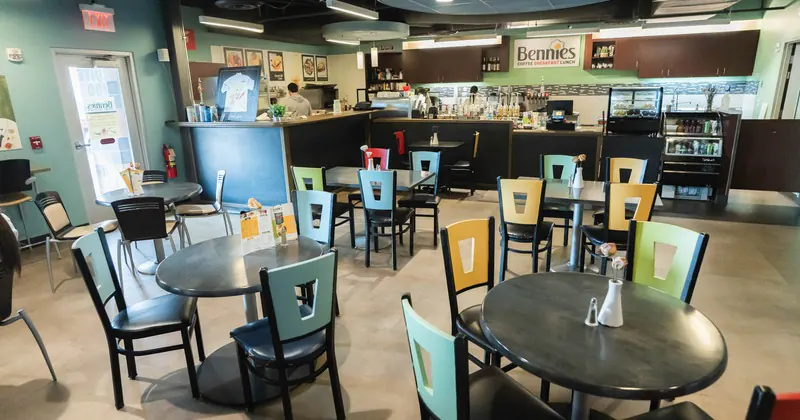
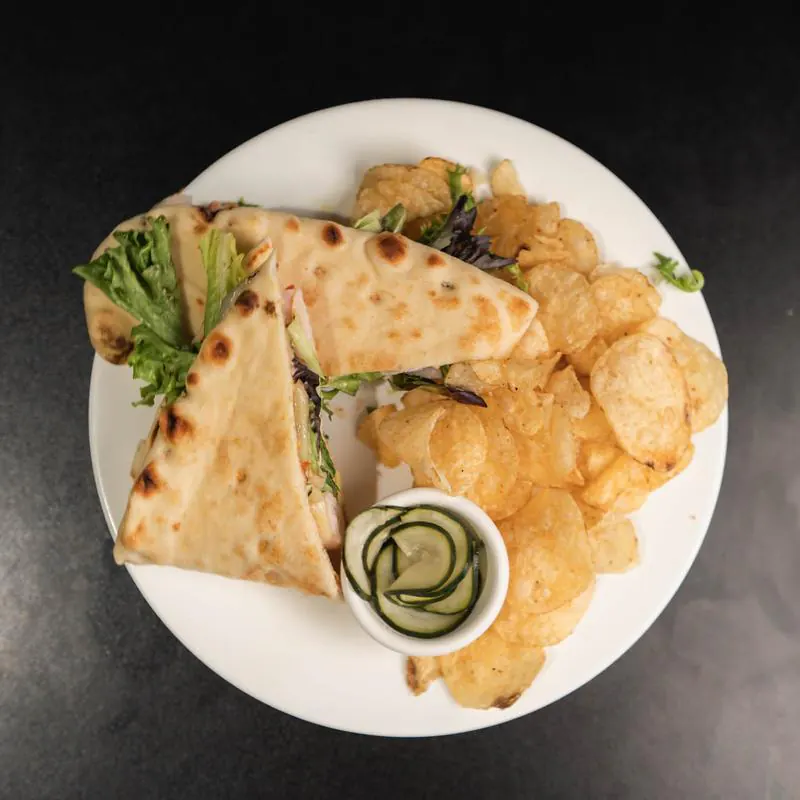
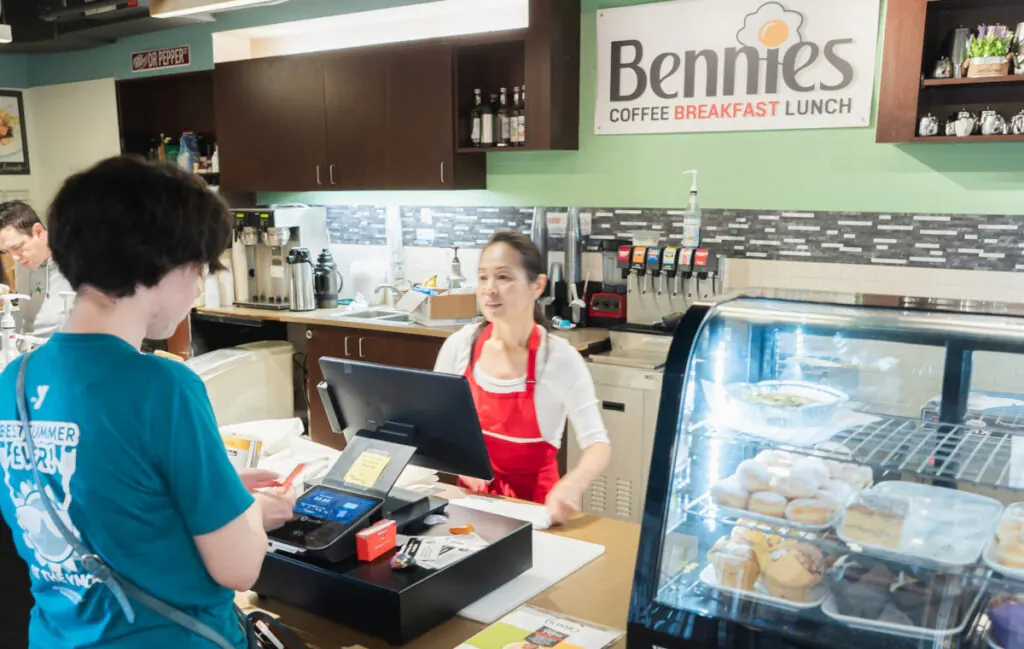
Upselling in a cafe gets misunderstood. Too many owners hear the word and picture pushy scripts, awkward counters, and customers who leave feeling managed instead of welcomed. In practice, the best upselling is almost invisible. It feels like care. It feels like product knowledge. It feels like a barista noticing that a guest who ordered a drip coffee at 7:15 every morning might genuinely enjoy hearing that the new single origin has tasting notes similar to the one they liked last month.
That difference matters because cafes run on thin margins. A small lift in average ticket can change the health of the whole business, especially when rent, labor, milk prices, and card fees all keep inching up. If a cafe can raise its average sale by even $1 to $2 per transaction without increasing guest friction, the result over a month can be significant. For a shop doing 150 tickets a day, that might mean an extra $150 to $300 daily before accounting for product cost. Done poorly, that same attempt can slow the line, annoy regulars, and make staff sound robotic.
The real skill is not persuading people to spend more. It is helping them choose better. That starts with understanding what guests actually value when they walk into a cafe: speed, comfort, familiarity, a small treat, a reliable caffeine fix, a place to work, a quiet routine, a moment of hospitality. Once you understand which of those needs is in front of you, the right suggestion tends to become obvious.
Start with relevance, not revenue
Most bad upselling fails because it begins with the business goal rather than the guest need. Staff are told to push pastries, add flavor shots, or move people into larger sizes. The guest can hear the agenda immediately. It creates resistance, even when the suggestion might have been reasonable.
Natural upselling starts with a match. If someone orders a pour-over and settles in with a laptop at 9:30, they may be open to hearing about a savory item or a second drink option for later. If someone rushes in at 8:05, phone in hand, keys out, and asks for the usual, they probably want speed more than discovery. In the second case, the most effective “upsell” may simply be asking, “Want me to add the breakfast bun today so it’s ready when you get to the office?” It is quick, specific, and rooted in the customer’s likely routine.
This sounds simple, but it requires staff to pay attention. Good cafe teams develop a kind of service radar. They notice whether a guest is browsing the pastry case or avoiding eye contact. They notice whether someone asks questions about beans, milk options, or sweetness levels. They learn who enjoys recommendations and who does not. That awareness matters more than any memorized phrase.
A useful internal rule is this: if the suggestion would still feel helpful even if it earned the cafe no extra money, it is probably the right kind of upsell.
The counter is not the only place to sell
Many owners focus all upselling effort at the register because that is where the transaction happens. That is also where time pressure is highest. During a rush, the register is often the worst place to introduce complex choices.
The more effective approach is to spread gentle selling cues across the whole guest journey. Menu design does part of the work. So does pastry placement, case lighting, chalkboard messaging, and the language used by the person handing off drinks. A cafe that wants to sell Cafe more food with morning beverages should not rely entirely on the cashier asking every guest the same question. It should make the pastry case easy to read from a natural standing angle. Labels should be short and appealing. Popular pairings should be visible before the customer reaches the till.
I have seen cafes improve attachment rates just by changing the angle of the pastry display and rewriting labels from generic to specific. “Muffin” gets ignored. “Blueberry lemon muffin, baked this morning” gets attention. “Ham and cheddar croissant, warmed on request” answers the unspoken practical question. None of that feels like pressure. It just reduces friction.
Hand-off can help too. If someone orders an iced latte and waits near the pickup area, a staff member might mention, “If you like that, our cold foam version has been popular this week, especially with oat milk.” That is not for the current drink, obviously, but it plants a seed for the next visit. Cafe upselling does not need to happen in a single moment to be effective.
Train for judgment, not scripts
Scripts are attractive because they sound scalable. Managers can print them, teach them, and mystery-shop them. The problem is that scripts flatten judgment. Staff stop listening and start reciting.
A better training model gives employees a framework. Teach them what to listen for, which products pair well, which Cafe items carry strong margins, and when not to make an extra suggestion. Then let them speak naturally.
One practical method is to group upsell opportunities into a few common situations:
- first-time guests who need orientation
- regulars who may appreciate novelty
- rushed guests who need speed
- seated guests who may want a second item
- guests asking for guidance, where recommendation is part of service
That kind of structure helps staff recognize openings without sounding rehearsed. It also reduces the common problem of one-size-fits-all selling. A guest staring at the retail coffee shelf may welcome a detailed conversation about brew methods and bean origin. A parent with two children and a stroller probably wants the fastest path from entrance to transaction.
Training should also cover language that lowers pressure. Compare “Do you want to add a pastry?” with “Our almond croissant pairs really well with that cappuccino if you’re having breakfast.” The first puts the burden on the guest to say yes to a vague extra purchase. The second offers a specific, contextual idea. Precision feels more like guidance and less like sales.
There is another point that often gets missed. Staff need permission to skip the upsell. If management measures performance in a way that punishes restraint, employees will force the interaction at the wrong times. That hurts the brand and usually hurts sales over time. In a busy cafe, judgment is more valuable than consistency for its own sake.
Use pairings people already understand
The easiest upsells are built on habits customers already have. Coffee and pastry. Tea and a biscuit. Afternoon espresso and a sparkling water. Chai and something sweet. The less explanation a pairing needs, the more likely it is to land.
This is where product curation matters. Some cafes try to upsell with too many choices. That can backfire. If the pastry case has eighteen items and none stands out, customers default to no. If the display has a clear bestseller, a seasonal favorite, and a savory option that covers different moods, staff can recommend with confidence.
Seasonality can help, but only if it is handled with restraint. A pumpkin loaf in autumn or a citrus olive oil cake in spring gives the team something timely to mention. The danger is turning every month into a campaign. Guests can feel when they are being marketed to. The product has to earn the mention.
I once worked with a shop that struggled to sell a very good house-made banana bread. Staff mentioned it constantly and customers kept declining. After watching the line for a week, the problem became obvious. People could not see the thick slices clearly, and the label said only “banana bread.” Once the cafe displayed it cut side forward, added a thin swipe of salted butter on warmed orders, and changed the language to “banana walnut loaf, served warm with butter,” sales improved without any added pressure from the register team. The lesson was plain. Better context beats harder selling.
Size upgrades are delicate
Asking customers to go from small to medium or medium to large is one of the oldest retail tactics, and it often works in quick-service environments. In a cafe, though, it can feel blunt. Beverage size is personal. Some guests care about strength, milk ratio, sweetness, cup portability, or simply habit. Suggesting a larger size every time can come off as lazy upselling.
Size recommendations work best when tied to a practical reason. If a guest orders an iced drink with extra espresso and extra milk, the staff member might reasonably say, “That may fit better in a large so the flavor stays balanced.” If someone is staying for a long work session and asks whether refills are available, that opens the door to suggesting a larger batch brew. If a guest orders for two people, offering a larger bottle of sparkling water or a shareable baked item can be helpful.
What rarely works is the generic “Make it a large?” thrown at every order. It may produce a few yeses, but it trains staff to chase the easiest tactic instead of using product knowledge. It also misses richer opportunities, like upgrading someone from a basic drip to a more distinctive roast they would actually enjoy.
The pastry case is a silent salesperson
If there is one area where cafes consistently leave money on the table, it is visual merchandising. Owners often obsess over coffee quality and equipment, then treat the pastry case as storage. Guests make decisions with their eyes long before they answer a question at the till.
The best pastry cases are edited, full but not crowded, and easy to scan. Items with the highest appeal should sit where the eye naturally lands. Labels should solve uncertainty fast. Is it sweet or savory? Rich or light? Gluten-free, vegan, nut-free, or not? Does it come warmed? If a guest has to interrogate the case, they often give up.
Warmth matters too, literally and emotionally. “Can be warmed” increases perceived comfort. So does a visible tray coming out during the morning rush. Freshness signals are powerful when they are genuine. A cafe should never fake scarcity or freshness cues, but it should absolutely showcase real ones.
A few details tend to improve attachment rates in everyday service:
- clear labels that describe flavor, not just product type
- one or two staff favorites that are easy to recommend sincerely
- a visible savory option before noon
- simple pairing language on signage, such as “great with filter coffee”
- fresh-looking stock levels, not a crowded case at opening and scraps by noon
None of those tactics require aggressive selling. They simply make the right choice easier to notice.
Build upselling into hospitality language
The strongest cafes do not separate sales language from service language. They teach one style of speaking that covers both. That style is warm, concise, and observant.
Instead of “Anything else?” which invites a quick no, staff can ask more usefully: “Are you after something to eat as well, or just coffee today?” That phrasing does two things. It normalizes food as part of the visit, and it gives the guest an easy out without feeling cornered. For seated service, “Can I bring you water or something sweet with that?” works better than a naked sales pitch because it reads as care.
Specificity helps. “Our cheddar scone is great if you want something not too sweet” feels grounded in real experience. “Would you like to try our delicious baked goods?” sounds like a script. Guests can hear the difference instantly.
There is also value in timing. A customer may decline food when ordering, then change their mind once the coffee arrives. That is why floor awareness matters in cafes with seating. If a staff member notices someone lingering over a second hour of laptop work, the most natural nudge is not at the register. It is a check-in at the table or when clearing cups. “If you’re settling in, we just put out a fresh tray of focaccia.” Short, relevant, low-pressure.
Loyalty programs can support, or cheapen, the interaction
Digital loyalty systems and point-based apps can encourage larger tickets, but they can also make the counter feel transactional in the wrong way. If every suggestion is framed around points, guests begin to feel managed by software rather than hosted by people.
The better use of loyalty is subtle. Offer a pastry reward after a certain number of beverage purchases. Create a gentle prompt for combo behavior without making staff sound like app attendants. If your system shows prior purchases, use that data carefully. “You liked the pistachio latte last time, our hazelnut mocha has a similar profile” feels attentive if delivered by a human who sounds genuine. It feels creepy if overdone.
For independent cafes in particular, there is a brand risk in copying chain tactics too closely. Your advantage is not algorithmic personalization. It is human memory, taste, and context. Protect that advantage.
Watch the numbers, but do not worship them
Averages matter. Attachment rate on food matters. Beverage modifiers matter. Retail bean sales matter. Any well-run cafe should know how often a drink order includes food, how seasonal items perform, and which staff shifts convert recommendations best. But numbers can mislead when divorced from floor reality.
Suppose one cashier has the highest pastry attachment rate in the shop. That could mean they are great at reading guests. It could also mean they mostly work slower mid-morning shifts when people are more receptive. Another employee may look weaker on paper simply because they work the commuter rush, where speed matters more than basket size.
The same caution applies to menu engineering. High-margin items are not always the best upsell if they increase wait times, complicate production, or crowd the bar. A food item that takes ninety seconds to heat may not be worth pushing during the line out the door, even if it carries a better margin than a cookie or loaf slice. Sales quality matters as much as sales quantity.
The healthiest way to use metrics is to pair them with observation. Stand near the register. Watch body language. Listen to phrasing. Note where guests hesitate. Look at what sells without prompting. You will usually learn more in one busy Saturday morning than in a week of spreadsheet review.
Protect the regulars from fatigue
Regulars are the financial backbone of many cafes, and they are the people most likely to get tired of repeated upsell attempts. Nothing undermines neighborhood warmth faster than making your daily customers feel like they have to decline the same suggestion over and over.
This is where memory pays off. If someone never buys food, stop asking every day. If another person orders the same cappuccino but loves trying weekend bakes, save recommendations for Fridays and Saturdays. If a guest always gets a double espresso and sparkling water, turn that habit into an easy bundled suggestion the moment they walk in. Familiarity should reduce friction, not automate it.
One local cafe I know handles this beautifully. Staff keep mental notes, not in a creepy or formal way, just through genuine repetition. They know which guests want speed, which want a quick chat, which appreciate being told about a new roast, and which only care if there is a new savory option. Their upselling works because it feels like remembering, not selling.
That is an important distinction. Guests return to a cafe because they want to be known a little. Not tracked, not optimized, just known.
When not to upsell
Experienced teams understand that restraint is part of good selling. There are moments when making no additional suggestion is the smartest choice for both service and revenue. During a line out the door, the priority may be throughput. When a guest is visibly distracted, upset, or on a phone call, brevity is respectful. If bar capacity is stretched, adding customization-heavy upgrades may damage the experience for everyone in queue.
There are also product moments when upselling is the wrong move. If a customer is trying a specialty coffee for the first time, pushing too many additions can muddy the experience. Let the product stand on its own. The trust you build there often pays back later when that customer becomes curious about beans, brewing gear, or higher-end drinks.
Good cafe operators know that every suggestion carries a cost. It takes time, attention, and a little emotional energy from both staff and guest. That cost is worth paying only when the offer has a real chance of helping.
Small improvements beat grand campaigns
Many cafes look for a dramatic upselling strategy when what they really need is a few disciplined habits. Better labeling. Cleaner sightlines. Product knowledge that goes beyond ingredients. Phrasing that sounds human. Permission for staff to exercise judgment. A little review of ticket patterns every week. These are not flashy changes, but they work because they fit the rhythm of an actual cafe.
Natural upselling is not a trick. It is the byproduct of running a thoughtful room. The cafe knows its products, knows its guests, and knows when to speak. When those three things line up, sales rise without the place feeling more commercial. In fact, it often feels more generous, because customers leave with something that suited them better than what they would have chosen on autopilot.
That is the standard worth aiming for. Not bigger tickets at any cost, but better recommendations that happen to improve the numbers too.
Bennies Cafe
17230 Jackson Creek Pkwy Ste 100, Monument, CO 80132
+1 719-445-0660
FAQ About Cafe
What is considered a café?
A café is generally an informal place to enjoy refreshments and a meal. Bennies Cafe in Monument serves breakfast and lunch in a counter-service setting, with options including eggs Benedict, sandwiches and crepes. Guests can eat in or arrange pickup.
What is the difference between a coffee shop and a café?
The terms often overlap. A coffee shop usually emphasizes coffee and other drinks, while a café may offer a broader food menu. Check the individual establishment's menu rather than relying on its name. Bennies Cafe offers coffee drinks alongside breakfast and lunch dishes.
What is the difference between café and coffee?
In everyday English, a café is a place where people buy food and drinks, while coffee is the beverage. The word café comes from the French word for coffee. Bennies Cafe serves options such as brewed coffee, espresso and lattes as part of its drinks menu.